
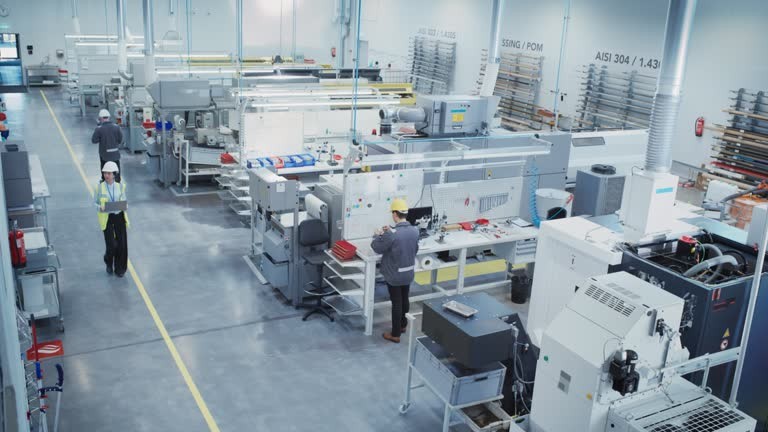
Investing in Used CNC Machine Tools can be a smart way for manufacturers to save money while upgrading production capabilities. These machines often offer high performance at a fraction of the cost of new equipment. However, buying used machinery comes with its challenges. Mistakes in selection, inspection, or setup can lead to unexpected downtime, higher repair costs, or reduced accuracy. Understanding common pitfalls can help manufacturers make informed decisions.
1. Ignoring Machine History
One of the biggest mistakes is buying a machine without reviewing its history. Knowing previous use, maintenance records, and past repairs is essential. For example, a Vertical machining center with heavy production use may have worn spindles or guides.
Key steps to avoid this mistake:
- Request detailed maintenance logs
- Ask about previous owners and workloads
- Verify if any retrofits or upgrades were done
By understanding the machine’s past, you can predict potential issues and maintenance needs.
2. Overlooking Physical Condition
Appearance can be deceptive. A machine may look clean, but internal wear can affect performance. Common oversights include:
- Worn ball screws or guideways
- Rust or corrosion inside the spindle or coolant system
- Damaged electrical components or wiring
Inspecting Used CNC Machine Tools thoroughly ensures you know exactly what you’re buying. Bring a technician if necessary to avoid surprises after installation.
3. Skipping Test Runs
Never skip a live demonstration. Running the machine reveals operational issues that visual inspections cannot. For instance:
- Inconsistent spindle speeds
- Erratic axis movements
- Noise or vibration during operation
Testing a Vertical machining center or any CNC machine under real cutting conditions helps verify precision, repeatability, and stability.
4. Ignoring Compatibility with Existing Systems
Another mistake is buying a machine that doesn’t integrate with your shop’s workflow. Consider:
- Software compatibility with existing CNC controls
- Tooling and fixture availability
- Floor space, power supply, and cooling requirements
Ensuring the Used CNC Machine Tools fit your production setup reduces installation time and avoids unnecessary modifications.
5. Underestimating Maintenance Costs
Used machines often need more care than new ones. Not budgeting for spare parts, retrofits, or preventive maintenance can offset the initial savings. Consider:
- Availability of replacement parts
- Cost of software updates or controller upgrades
- Potential retrofits to improve performance
Precision Technologies, for example, provides guidance on maintaining and retrofitting Vertical machining centers to extend life and improve reliability.
6. Focusing Solely on Price
Price is important, but buying the cheapest machine can be costly in the long run. Low-cost options may require immediate repairs or compromise productivity. Instead, evaluate:
- Machine condition and expected lifespan
- Technical support and after-sales service
- Opportunities for upgrades or retrofits
A smart purchase balances cost with long-term efficiency and reliability.
7. Not Consulting Experts
Finally, skipping expert advice is a common mistake. Experienced professionals can identify hidden issues, recommend retrofits, and provide setup guidance. Working with a trusted machine tool distributor ensures your investment meets production goals efficiently.
Conclusion
Buying Used CNC Machine Tools is a cost-effective way to enhance manufacturing capabilities, but avoiding these mistakes is key. From checking machine history and physical condition to ensuring compatibility and maintenance planning, careful selection ensures long-term productivity.
Precision Technologies provides inspected, reliable Vertical machining centers and CNC solutions, along with expert advice on retrofits, maintenance, and installation. Our focus on quality, service, and performance helps manufacturers make informed decisions and achieve maximum ROI.
FAQs
Q1. What should I check first when buying Used CNC Machine Tools?
Start by reviewing the machine’s history, including maintenance records, previous owners, workloads, and any past repairs or retrofits.
Q2. How can I inspect the condition of a used CNC machine?
Check for wear on spindles, ball screws, guideways, electrical components, and coolant systems. A technician can help with detailed inspection.
Q3. Why are test runs important for Vertical machining centers?
Test runs reveal operational issues such as spindle inconsistencies, axis errors, and vibrations that may not be visible during a visual inspection.
Q4. How do I ensure compatibility with my shop setup?
Verify CNC control software compatibility, tooling and fixture availability, power supply, floor space, and cooling requirements before purchasing.
Q5. Should I consider maintenance and retrofits when buying used machines?
Yes. Budgeting for spare parts, preventive maintenance, and potential retrofits ensures long-term reliability and maximizes ROI from your used CNC machine.