
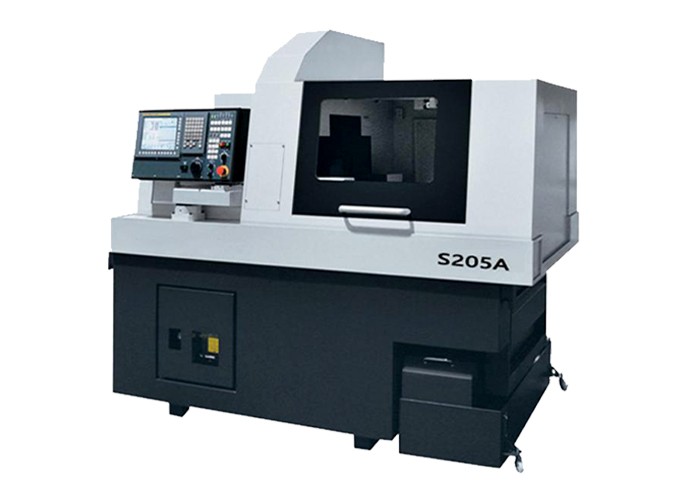
Fast production is not just about speed. It is about control, repeat results, and smooth flow from start to finish. In high-volume manufacturing, even a few saved seconds per part can turn into hours gained each week. That is where a swiss machine becomes a strong advantage. Its design supports faster cutting, steady accuracy, and fewer stops, all while keeping quality consistent.
Why Cycle Time Matters in High-Volume Shops
Cycle time is the total time it takes to produce one finished part. In large runs, long cycle times lead to delays, higher labor costs, and missed deadlines. Shorter cycles help manufacturers:
- Produce more parts in the same shift
- Reduce machine idle time
- Lower cost per part
- Keep delivery promises
- BETTER ACCURACY
When machines work faster without losing accuracy, shops stay competitive and profitable.
How Swiss-Style Design Speeds Up Production
Swiss-style machining holds the material close to the cutting area. This small detail makes a big difference. Less material movement means tools cut faster and smoother.
Key design features that reduce cycle time include:
- Sliding headstock that feeds material forward
- Guide bushing that supports long, thin parts
- Multiple tools cutting at the same time
Because tools work closer to the part, cutting happens with less vibration. That allows higher feed rates and quicker passes.
Fewer Setups Mean Faster Output
Every setup change adds time. Swiss-style machines are built to reduce setup needs during long runs.
Benefits for production teams include:
- Multiple tools mounted and ready
- Less need to stop for tool changes
- Smooth transition from one operation to the next
This helps operators keep machines running longer without pauses, which directly improves output numbers.
Cycle Time Comparison at a Glance
| Production Factor | Swiss-Style Machining | Conventional Turning |
| Tool engagement | Continuous | Interrupted |
| Material support | Very close to cut | Further from cut |
| Setup changes | Minimal | Frequent |
| Best for | Long, thin parts | Short, simple parts |
This comparison shows why Swiss-style systems shine in high-volume, precision-focused work.
Better Tool Control Reduces Delays
Tool wear slows production when not managed well. Swiss-style machines help here too.
They support:
- Shorter tool reach
- Steady cutting pressure
- Predictable tool wear
This means tools last longer and break less often. Fewer tool failures reduce downtime and keep cycle times steady throughout long production runs.
Automation That Keeps Parts Moving
High-volume work benefits from automation. Swiss-style systems pair well with bar feeders and part catchers. These features allow machines to keep running with little manual help.
Advantages include:
- Continuous material feeding
- Less operator handling
- Stable overnight or lights-out runs
Automation keeps cycle times low and output steady, even during long shifts.
Quality Stays Consistent at Higher Speeds
Speed only helps if quality stays strong. Swiss-style machining keeps parts steady during cutting. This leads to better surface finish and tight size control.
Consistent quality reduces rework and scrap, which saves time and material. Over thousands of parts, this adds up to major gains.
Final Thoughts and Next Steps
In high-volume production, shaving seconds off each part leads to real growth. A Swiss machine helps by cutting faster, reducing setups, and keeping accuracy strong from the first part to the last. When matched with the right application and support, it becomes a long-term asset for any precision-driven shop.
If your team is looking to improve cycle time, boost output, and protect quality, connect with Precision Technologies today. Our experts will guide you toward the right machining solution built around your production goals. Call now to know more.
FAQs
1. How does Swiss-style machining reduce cycle time?
It supports the material close to the cut, allowing faster feed rates and fewer tool passes, which shortens the time needed to finish each part.
2. Is Swiss machining only for small parts?
It is best for long, thin, or complex parts, especially in large quantities. These designs benefit most from close material support and steady cutting.
3. Does faster machining reduce part quality?
No. The stable cutting process improves surface finish and size control, which helps maintain quality even at higher speeds.
4. How does automation help in high-volume production?
Automation keeps material feeding and part removal moving without stops. This reduces idle time and keeps cycle times consistent during long runs.
5. Can Swiss machines work with existing shop processes?
Yes. Many shops combine them with other equipment to handle different part sizes and operations while improving overall workflow efficiency.